There’s an entire industry built around things being left behind, and most people have no idea it exists until they need it.
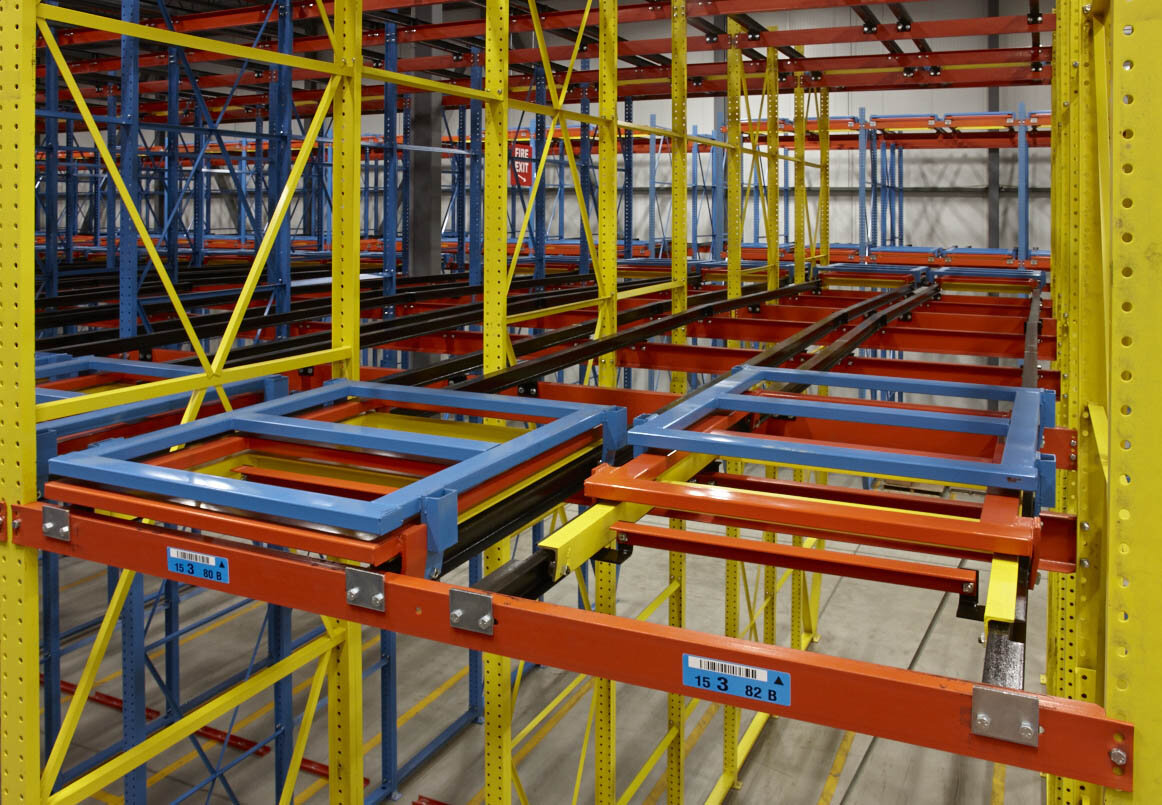
When a company closes a warehouse, gets acquired, relocates, or simply doesn’t renew their lease, they leave behind millions of dollars worth of material handling equipment. Pallet racking, cantilever systems, mezzanines, conveyor networks-all the infrastructure that made the facility functional. Sometimes the landlord wants it gone. Sometimes the new tenant wants to use it. Sometimes it sits there in limbo while lawyers figure out who actually owns it.
That’s where the decommissioning market comes in. It’s part demolition, part logistics, part forensic investigation, and occasionally part negotiation with people who are having the worst week of their professional lives. It’s not glamorous work, but it’s steady, necessary, and surprisingly complex.
How Equipment Becomes “Available”
The most straightforward scenario is a planned facility closure. Company A is consolidating operations, closing their Mississauga warehouse, and moving everything to a newer facility in Cambridge. They’ll take the inventory, some of the equipment, but the racking? Too expensive to move, too time-consuming to reinstall, and the new facility already has systems in place. So they call someone like us to decommission it.
Sometimes we’re buying it outright if the equipment is in good shape and we have a market for it. Sometimes we’re just contracted to remove and dispose of it. Sometimes the landlord is the client, sometimes it’s the tenant, and occasionally it’s unclear who we’re actually working for until the lawyers sort it out. Commercial real estate has more ambiguity than you’d think.
Then there are the uglier scenarios. Company B declares bankruptcy. The trustee needs to liquidate assets to pay creditors. We get called in to assess the racking, provide a valuation, and potentially purchase it. These jobs move fast because every day the building sits idle costs someone money. We’ve had 48 hours to inspect, price, and remove systems worth $200,000. It’s not ideal, but that’s the timeline bankruptcy trustees work with.
Corporate acquisitions create another stream. Company C buys Company D, decides they don’t need D’s warehouse, and now there’s a fully outfitted 150,000 square foot facility that needs to be cleared. Sometimes the acquiring company keeps the equipment for future expansion. More often, they want it gone and they want it gone yesterday because they’re still paying rent.
The least common but most interesting scenarios involve litigation or lease disputes. We’ve removed equipment from facilities where the tenant and landlord both claimed ownership. We’ve dismantled systems that were installed by tenants who thought they could take it with them, then discovered their lease said otherwise. We once spent three days removing racking from a building while lawyers for both sides stood there arguing about whether we were allowed to do what we were actively doing. We got paid regardless, but it was awkward.
What Makes Equipment Valuable (Or Not)
Not all used racking is created equal. The decommissioning market has gotten more sophisticated over the past decade, and what used to be “scrap unless it’s nearly new” now has pretty nuanced pricing.
First consideration: what is it? Selective pallet racking from major manufacturers-Redirack, Interlake, Mecalux, Ridg-U-Rak-holds value well because it’s standardized and parts are still available. Proprietary or discontinued systems are worth significantly less because finding compatible components for expansion or repair is difficult. Custom or engineered systems designed for specific applications usually have minimal resale value unless you find a buyer with an identical need, which almost never happens.
Second: what condition is it in? Cosmetic damage doesn’t matter much-paint scratches, surface rust, faded labels. Structural damage matters enormously. Bent uprights, dented beams, column damage from forklift impacts-any of that can make a system unusable or reduce its capacity. We walk facilities with load charts and measuring tools, checking for deformation. A system that looks fine might have enough accumulated damage to be worth 30% less than an identical system without the wear.
Third: how much is there? A 20-bay run of selective racking is valuable. Four random bays with mismatched components is worth scrap prices. The decommissioning market favors scale. Buyers want consistent systems in sufficient quantity to be useful. A few orphan components are essentially worthless unless they happen to match something we already have in inventory.
Fourth: where is it? A system in a facility with dock access and reasonable loading space is worth more than an identical system in a building with one loading door and no yard space for staging. Removal costs factor into what we can pay. If we need boom lifts, can only work nights, or have restricted access, those costs come out of the offer price.

The Inspection Process
When we assess a facility for decommissioning, we’re not just counting bays. We’re evaluating the entire system’s viability for resale and the complexity of removal.
We check manufacturer markings to confirm what we’re dealing with. Sometimes the original specs are available, sometimes we’re identifying components based on perforation patterns and connector styles. We measure beam depths, upright heights, bay widths. We photograph column damage and document any structural concerns. We verify anchor types and floor conditions because whoever buys this equipment will need to reinstall it somewhere.
Load capacity matters. A system rated for 3,000 lbs per level is more marketable than one rated for 1,500 lbs. But the rating is only valid if the components are in good condition and properly matched. We’ve walked facilities where tenants mixed manufacturers, used incorrect beam depths for their spans, or overloaded systems for years. That stuff shows up in the inspection, and it affects the value.
We also evaluate how difficult removal will be. Is the racking anchored into concrete or epoxy-grouted? Are there mezzanines we need to dismantle? Is the system integrated with conveyor or automation that complicates the work? Have they stored things in a way that blocks access to critical areas? We’ve found facilities where tenants stored material right up against the uprights, making it physically impossible to remove beams without first relocating tons of inventory. That delays the job and adds cost.
The Removal Economics
Decommissioning isn’t as simple as unbolting things and hauling them away. There’s a sequence to it, safety considerations, and a fair amount of logistics.
Most systems need to be unloaded before removal, which means either the tenant handles it before they leave or we handle it after. If we’re responsible for clearing residual inventory, that’s billable. We’ve spent days removing abandoned pallets, packaging materials, and random equipment before we could even start on the racking. Occasionally we find things that are legitimately valuable-unopened packaging supplies, usable pallets, functioning forklifts that got left behind-but usually it’s junk that needs disposal.
The actual dismantling requires lifts, tools, and people who know what they’re doing. Removing racking isn’t dangerous if done correctly, but doing it correctly requires understanding how these systems are loaded, what holds them together, and what needs to come down in what order. We’ve seen contractors show up with cutting torches planning to just cut everything apart. That works if you’re scrapping it all, but if the goal is to preserve the equipment for resale, you need to actually dismantle it properly.
Transportation is often the biggest cost. Racking is bulky, heavy, and awkward to transport. A standard 53-foot trailer holds less than you’d think once you account for safe loading and securing. A facility with 100 bays of racking might require six or eight truckloads. If we’re moving it to our yard, that’s manageable. If we’re moving it directly to a buyer across the country, the freight cost becomes significant.
The Refurbishment and Resale
Once we’ve got equipment in our yard, the real evaluation begins. Everything gets inspected again, this time component by component. Beams get checked for deflection and load capacity. Uprights get checked for plumb and structural integrity. Anything damaged beyond acceptable limits gets scrapped. Everything else gets sorted, photographed, and catalogued.
Minor repairs are straightforward. Bent beam-end connectors can be straightened or replaced. Missing safety pins can be added. Surface rust can be addressed with wire brushing. Major repairs-straightening uprights, rewelding structural connections, replacing column sections-are usually not economical. If a component needs significant work, it’s more cost-effective to scrap it and keep the good pieces.
The market for used racking is more developed than most people realize. Companies expanding their facilities, startups setting up warehouses, operations looking to add capacity without the lead times and costs of new equipment-there’s consistent demand. A system that costs $45,000 new might sell for $18,000 used. That’s enough of a discount to be compelling, especially when lead times for new equipment can push 12-16 weeks.
We also supply the retrofit and repair market. Companies with existing systems that need additional bays, replacement components, or capacity upgrades. If we have compatible components in inventory, we can fulfill those orders faster and cheaper than new. A set of beams that would cost $300 new might cost $130 used and be available immediately instead of in three months.
What Landlords Want
The landlord’s perspective on decommissioning is usually pretty simple: they want the space returned to a leasable condition as quickly as possible. Every week the building sits empty is lost rent.
Sometimes that means removing everything. The next tenant wants a clean space to build their own layout. Sometimes it means leaving specific equipment that makes the building more attractive. A facility with existing racking in good condition can lease faster and sometimes command higher rates because it reduces the tenant’s fit-out costs.
We’ve worked with landlords who want detailed condition reports before they’ll approve a lease surrender. They want to know exactly what’s staying, what’s going, and what condition the building will be in. We’ve also worked with landlords who just want a letter confirming the building is empty and safe. It varies.
Anchor removal is the perpetual debate. Some landlords require all anchors to be cut flush with the floor so the surface is smooth. Some are fine with anchors being left in place if they’re not protruding. Some want the entire floor patched and sealed. The requirements affect the decommissioning cost, which affects how much we can pay for the equipment, which sometimes affects whether the economics work at all.
The Circular Economy Angle
There’s a sustainability argument for the used racking market that’s become more prominent lately. Manufacturing new pallet racking requires significant steel production and energy. Using existing equipment avoids that environmental cost. It’s not greenwashing-the carbon footprint of reusing existing equipment versus manufacturing new is substantially lower.
That matters more in some industries than others. Companies with ESG reporting requirements or sustainability commitments can legitimately count used equipment purchases toward their environmental goals. It’s a small factor in most purchasing decisions, but it’s there, and it’s growing.
The other sustainability angle is keeping material out of landfills. Racking is recyclable as scrap steel, but the value recovered from scrapping is much lower than the value retained through reuse. A ton of used racking might be worth $200 as scrap. That same ton, properly inspected and resold, might be worth $2,000. The environmental impact is similar (keeping it out of waste streams), but the economic value is an order of magnitude different.
Why This Market Exists
The decommissioning market exists because commercial real estate is inherently dynamic. Leases expire, companies relocate, businesses fail, operations consolidate. The churn rate for warehouse facilities is surprisingly high. For every company setting up a new warehouse, there’s probably one vacating an old one.
The alternative to an organized decommissioning market would be either a massive waste problem (all that equipment getting scrapped) or a logistical nightmare (every company dismantling and storing their own equipment hoping they can use it someday). Having an intermediary market makes the whole system more efficient.
It also creates value where none would otherwise exist. A company closing a facility views their racking as a sunk cost at best or a liability at worst. We view it as inventory. A company setting up a new facility views used equipment as a way to reduce capital expenditure and accelerate their timeline. We facilitate that transaction.
The work isn’t complicated, but it requires specific knowledge and infrastructure. You need to understand structural systems well enough to evaluate equipment. You need logistics capability to move it efficiently. You need storage space to inventory it. You need market connections to resell it. Most companies don’t have all four, so they use specialists who do.
The next time you see a warehouse getting fitted out with racking, there’s a decent chance at least some of that equipment is used. Not because the buyer couldn’t afford new, but because used made more sense economically and logistically. And somewhere else, another facility is being decommissioned, creating the inventory that makes that possible.
It’s a circular system driven by commercial real estate dynamics, economic pragmatism, and the simple reality that material handling equipment outlasts the companies that install it. The decommissioning market isn’t flashy, but it works, and it handles millions of dollars worth of equipment every year without most people ever knowing it exists.